June 2022

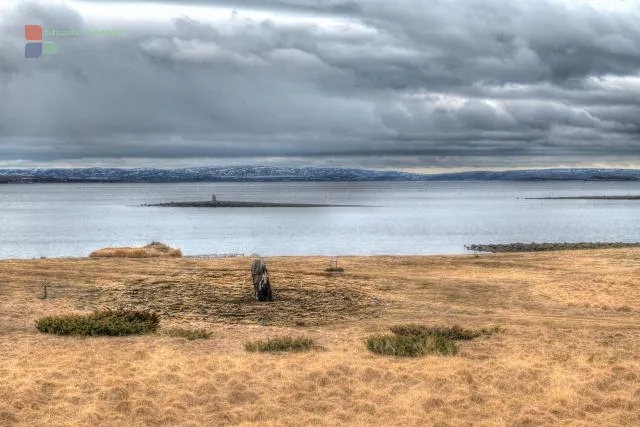
Airship mast on Vadsøya
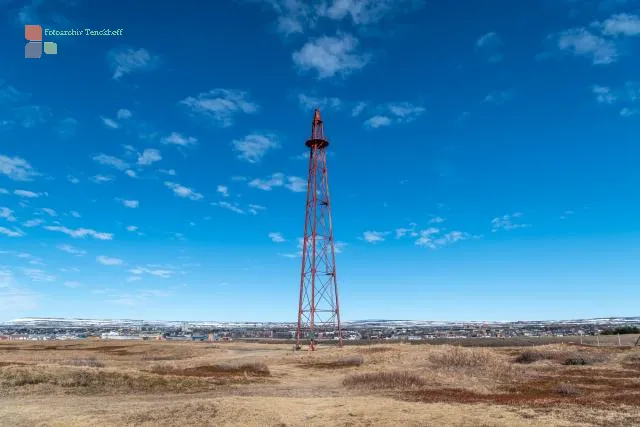
The town of Vadsø is connected to the interesting island of Vadsøya by a bridge. At the right time of the year, this island is a popular destination for birdwatchers and as soon as you arrive you can see the Birders Basecamp. The island is an important wetland for wading birds and there are ancient and modern cultural monuments to explore.
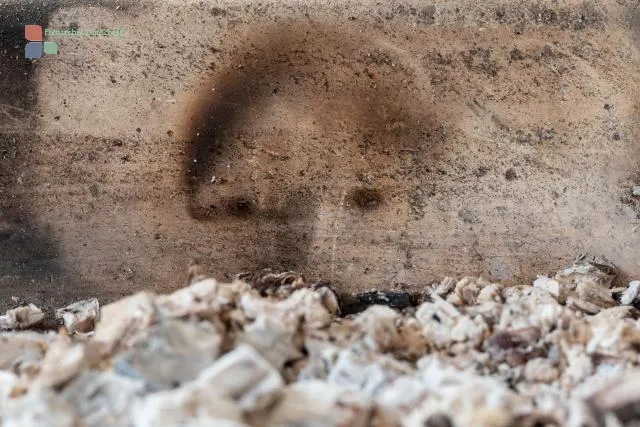
The little fire girl from our fireplace

Suddenly there appeared, the little fire girl in her fiery home, guarding the flames in our hearth during the rough days.

Ceavccageađge - 8.000 B.C.

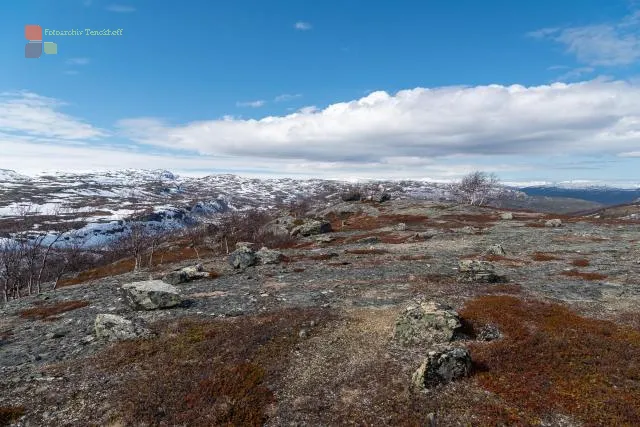
One of the highest concentrations of archaeological sites in the Nordic countries is at Ceavccageađge (Mortensnes in Norwegian) in Varanger. Ten thousand years as a meeting place for hunters, fishermen and traders have left traces of settlements in the landscape, some monumental but many often small and easily overlooked. A cairn is not always just a cairn.

Vadsø at the Barents Sea

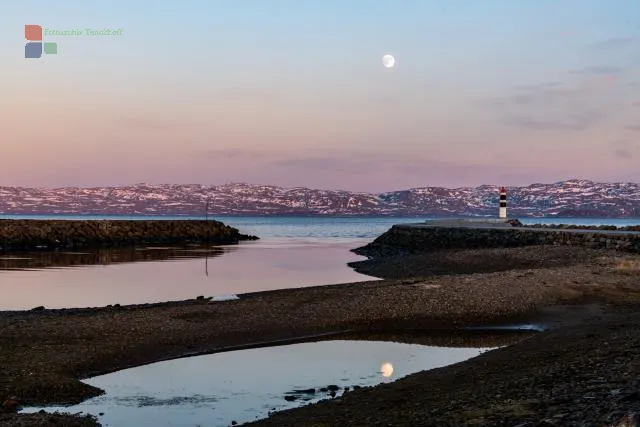
Vadsø is located on the edge of the Arctic Ocean on the Barents Sea (Norwegian: Barentshavet), which was named after the Dutch navigator Willem Barents. Vadsø is a gateway to Varangerhalvøya National Park, whose wild expanses are unparalleled. We took accommodation right on the sea access in Annijoki at the Varangerfjord close to Vadsø and were the only guests in the house at this time of year (May). The Barents adventure began as soon as we checked into the locked house, because there was no staff and the situation was only clarified when we called the owner.

On Lake Inarijärvi in Finland

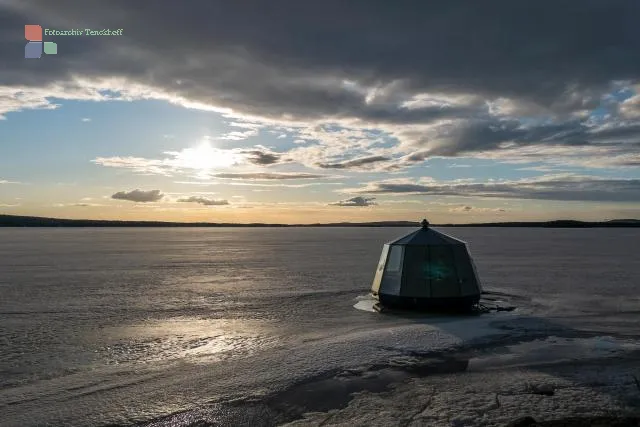
Finland is known for its many lakes and the extraordinary nature of this landscape becomes apparent on long drives through this wild landscape.

Hundreds of statues and a town hall

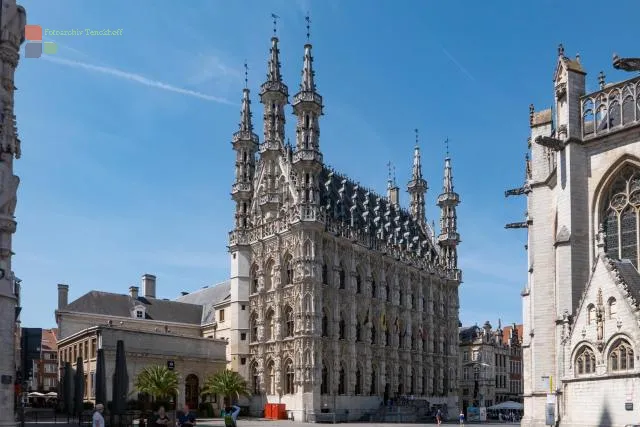
A tour of Leuven offers many surprises - small as well as big. Of course, the town hall on the Great Market is impressive and is one of the most beautiful late Gothic buildings in Europe. It is decorated with hundreds of figures depicting biblical scenes as well as scholars and important figures in Louvain's history. It was built from 1439 to 1468 and stands directly opposite the St. Peter's Church.